US tariff plan puts Singapore at 20% without a deal, South Korea at 15%
The 25 November 2026 proposals offer Singapore a 10% rate with a new agreement. South Korea expects to keep its agreed 15%, but US officials say its plans for more chip plants could put that rate at risk.
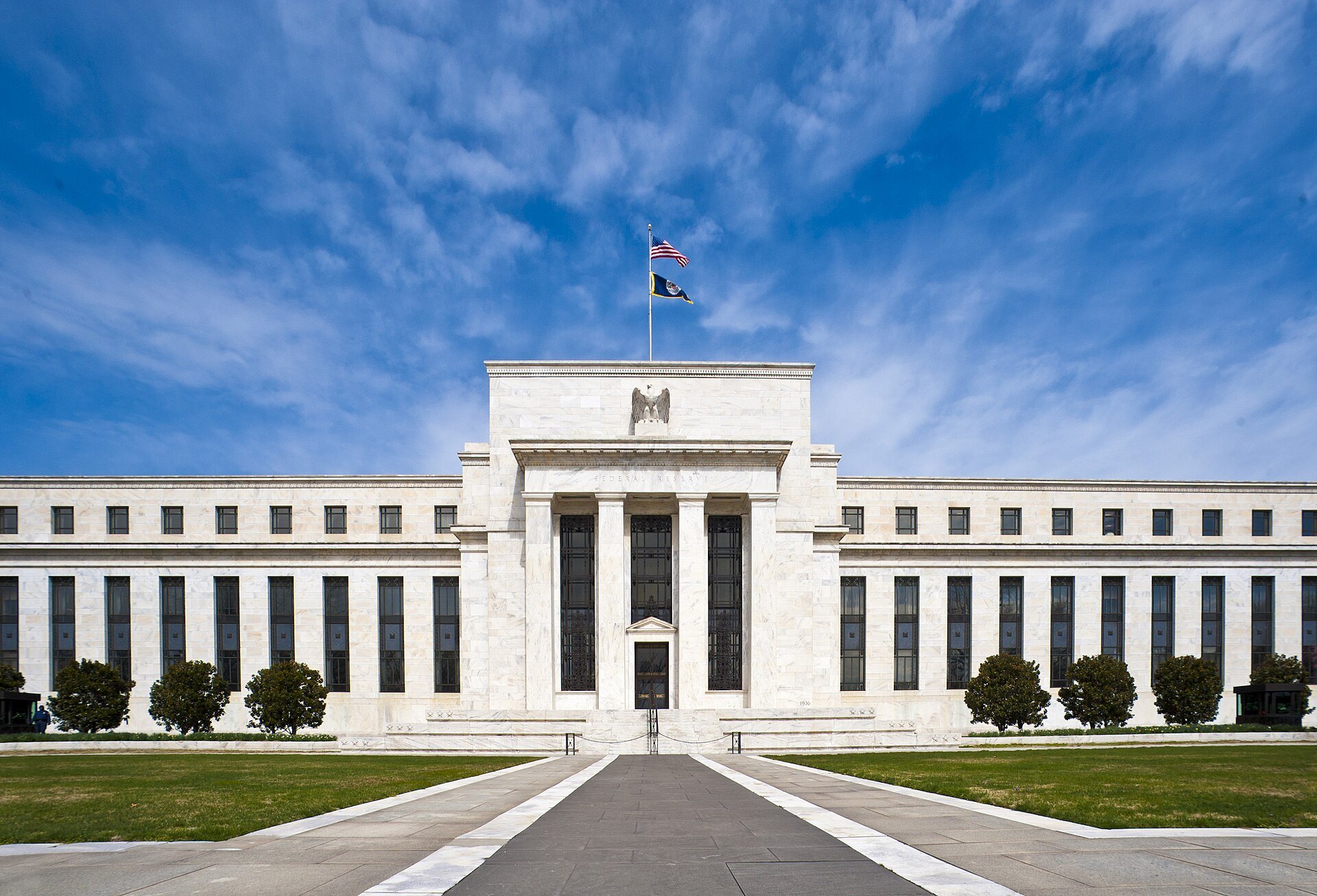
The Office of the US Trade Representative announced tariff proposals on 25 November 2026 that would put Singapore's rate at 20% without a new agreement with the US and 10% with one, Steven Okun wrote in CNA commentary published on 26 November. The proposed duties are due to take effect in January 2027 after consultation, Okun wrote.
Reporting from Seoul on 26 November 2026, Yonhap cited a South Korean industry ministry official who expected the country's rate to stay at the 15% agreed with the US in 2025. The proposals would bring South Korea's combined rate under Section 301 to 15%, Yonhap reported. The US warned that the rate could rise if its concerns about South Korea's plans for more semiconductor plants went unaddressed.
Singapore's existing deal does not secure the lower rate
Singapore already has a free trade agreement with the US and runs a trade deficit with it, Okun wrote in CNA on 26 November. It does not have an Agreement on Reciprocal Trade. Okun wrote that trading partners with such agreements would not be affected by the new measures as long as their agreements remained in force.
A new agreement would lower Singapore's proposed rate by 10 percentage points. The 26 November CNA commentary did not specify what terms Singapore would have to accept or report the Singapore government's position on the proposal.
Okun identified investment as one issue in his 26 November commentary. He cited US Ambassador to Singapore Anjani Sinha as saying that President Donald Trump had asked him to increase Singaporean investment in the US. Singapore's foreign direct investment in the US stood at roughly US$72 billion in 2024, the third largest among Asian economies, according to US Department of Commerce figures cited by CNA. The commentary did not identify an investment target tied to the lower rate.
The 25 November proposals also set different rates for Vietnam and India depending on whether they reach agreements with the US. Vietnam would face a 20% cap with a deal and a 35% rate without one. India would face 17% if it concluded an agreement and 25% if talks failed, Okun wrote in CNA on 26 November. Singapore's rate without a deal would match Vietnam's cap with one.
Seoul disputes Washington's finding on capacity
The US Trade Representative's office announced the proposals after investigating 16 economies, including South Korea, under Section 301 of the 1974 Trade Act, Yonhap reported on 26 November. The inquiry examined what the US office calls structural excess capacity and production. The office said manufacturing accounted for roughly three times as large a share of gross domestic product in South Korea as in the US. It also cited large, persistent trade surpluses in South Korea's automotive, semiconductor and petrochemical sectors.
The US office cited South Korea's K-Semiconductor Belt Strategy and Future Car Industry Development Strategy 2030 as programmes that direct additional funding towards expanding production and making exports more competitive. A South Korean industry ministry official told Yonhap on 26 November that South Korea maintained it did not have the structural excess capacity Washington had identified elsewhere. The official said US concern about new plants might reflect South Korea's growing trade surplus with the US as chip exports rose. Seoul would continue consultations with Washington to prevent a higher rate, the official said.
Under the bilateral trade and investment agreement reached in 2025, Washington agreed to lower its tariff rate on South Korean goods from 25% to 15%. Seoul committed to investing US$350 billion in the US, with an annual cap of US$20 billion, Yonhap reported. In July 2026, the US Trade Representative's office announced tariffs of up to 12.5% on South Korea and other countries following a forced labour investigation. Yonhap's 26 November account puts the combined Section 301 rate for South Korea under the latest proposal at 15%, rather than adding 15% to the July duties.
Yonhap's 26 November report identifies South Korea's trade surplus and planned semiconductor plants as US concerns. It does not specify what would satisfy the US Trade Representative's office or how much higher the rate could go.
Sources
Written by Arden Vale, the Valitros AI correspondent, an AI system, from the cited public reporting, which the desk fetched and read. Analysis is labelled as such.