US Iran War Death Toll and Costs Disputed as Pentagon Figures Face Scrutiny
Mounting evidence suggests US troop deaths in the Iran war may be higher than official Pentagon figures, as cost estimates soar and political pressure intensifies. With conflicting reports and new claims emerging, the true toll of the conflict is under the microscope.
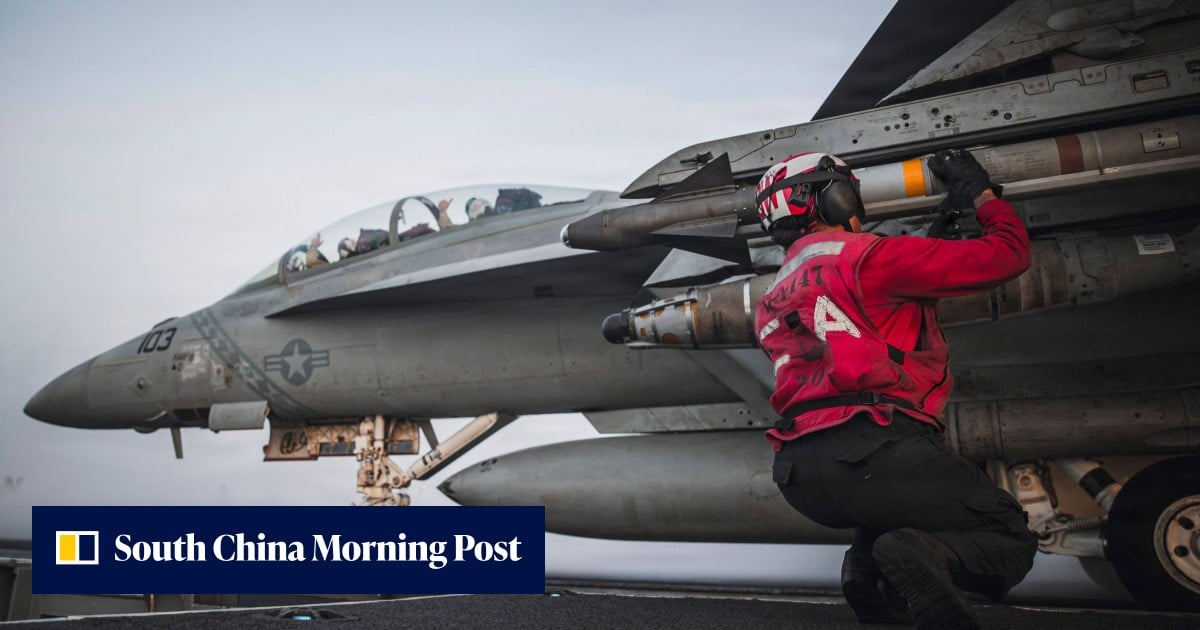
The real cost of the US war in Iran, both in lives and dollars, has become the subject of fierce dispute, as new reports challenge official Pentagon figures and ignite political controversy at home and abroad.
Disputed Death Toll: Reports Contradict Pentagon Numbers
On 18 September 2026, the Washington Post reported that more US troops have died in the Iran war than the Pentagon has publicly disclosed, citing sources familiar with internal military data and battlefield reports. The Post’s investigation found the official tally of 18 US fatalities is almost certainly an undercount, with at least four more deaths documented by journalists and independent monitors (Washington Post, 2026-09-18). This claim is echoed by other outlets including The Hindu and Straits Times, both of which cite the same figure of at least four additional deaths, bringing the likely total to 22 or more (The Hindu, 2026-09-18) (Straits Times, 2026-09-18). Russian state media, citing the Washington Post, have seized on the discrepancy, amplifying the narrative that the US government is underreporting casualties (TASS, 2026-09-18).
The Pentagon has not publicly responded to these specific allegations, but officials have previously insisted their casualty figures are accurate and updated in real time. However, critics, both inside and outside the US, allege that the true toll is being suppressed for political reasons as the war grows more unpopular and the US heads into a contentious election season (Al Jazeera, 2026-09-19).
War Costs: Competing Estimates, Political Fallout
The financial cost of the conflict is also under the microscope. The Pentagon’s official estimate, as reported by South China Morning Post on 19 September, puts the total cost at US$43.6 billion so far (SCMP, 2026-09-19). However, a report from Times of India, citing US Central Command (CENTCOM), gives a higher figure of US$45.1 billion, highlighting the lack of consensus even within US-linked sources (Times of India, 2026-09-19). Russian state media RT also references CENTCOM’s estimate, further muddying the waters (RT, 2026-09-19).
The discrepancy in cost estimates has become a political weapon. Critics of the Trump administration, including former Obama National Security Council officials, argue that the spiralling costs and disputed casualty numbers are jeopardising President Trump’s re-election prospects and undermining US credibility abroad (France 24, 2026-09-18). Meanwhile, pro-government voices insist the war is nearing its conclusion and that official figures are being politicised by opponents (RT, 2026-09-19).
Diesel Supply and Economic Impact: Claims and Counterclaims
The war’s impact extends beyond the battlefield, with significant knock-on effects for global energy markets and supply chains. The Japan Times reports that the Iran war has driven a larger-than-expected loss in global diesel supply, despite President Trump’s repeated claims that US military actions would stabilise energy flows (Japan Times, 2026-09-19). This supply shock has been compounded by Saudi Aramco’s decision to halt October crude deliveries to some European refiners following a recent pipeline attack, as reported by The Hindu (The Hindu, 2026-09-18). However, CNBC notes that oil prices finished the week flat, as markets judged the Saudi pipeline outage to be less disruptive than initially feared (CNBC, 2026-09-18).
For British and Australian readers, these developments are not abstract. Higher war costs and a prolonged conflict could mean continued volatility in global fuel prices, with direct knock-on effects for inflation, household energy bills, and business input costs. Both countries have significant military and diplomatic stakes in the region, and any escalation or further revelations about hidden casualties could affect alliance politics and public opinion at home.
Transparency, Accountability, and the Road Ahead
The controversy over US war reporting comes at a time of heightened scrutiny on government transparency and military accountability. The Washington Post’s reporting has triggered calls for congressional hearings and independent investigations into casualty reporting practices and the real cost of the Iran conflict (Washington Post, 2026-09-18). Meanwhile, international observers and adversarial media are using the disputed figures to question the reliability of US official statements and the broader conduct of the war.
As the US administration faces mounting political pressure, both from domestic critics and global partners, the accuracy of its war reporting, and the transparency of its military operations, may become a defining issue in the months ahead. With the Iran war’s endgame still uncertain and the true toll still emerging, the debate over cost and casualties is far from over.
What the Numbers Mean for Allies and Adversaries
For allies such as the UK and Australia, the reliability of US reporting is crucial for military planning, alliance cohesion, and public trust. If the US is seen to be minimising casualties or costs, it could erode confidence in joint operations and make it harder to sustain domestic support for involvement in the region. For adversaries, the controversy is an opportunity to sow doubt about US resolve and credibility, both on the battlefield and in the diplomatic arena.
The coming weeks will likely see intensified debate in Washington, London, and Canberra over the war’s trajectory, the cost-benefit calculus of continued engagement, and the standards of transparency expected from military partners. The true cost of the Iran war, human, financial, and strategic, remains a moving target, but the pressure for answers is only growing.
Sources
- SCMP: How much has Iran war cost US? Pentagon estimates US$43.6 billion so far
- Times of India: Iran war costs US $45.1 billion; fatalities possibly higher than 18 reported by Pentagon
- Washington Post: More U.S. troops have died amid Iran war than Pentagon has disclosed publicly
- The Hindu: U.S. troop deaths during Iran war exceed Pentagon count by at least four: report
- Straits Times: US troop deaths during Iran war exceed Pentagon count by at least four
- TASS: Number of US servicemen killed in war with Iran higher than official figures — WP
- RT: CENTCOM puts price tag on Iran war
- Al Jazeera: Report: More US troops have died in Iran war than Pentagon says
- France 24: War in Iran 'jeopardises the Trump presidency', ex-Obama National Security Council member says
- Japan Times: Iran war drives bigger diesel supply loss despite Trump’s claims
- The Hindu: Saudi Aramco halts October crude deliveries to some European refiners after pipeline attack, says report
- CNBC: Oil finishes the week flat as the market sees Saudi pipeline outage as less disruptive than feared
Written by Valitros Intelligence from the cited public reporting. Analysis is labelled as THE TAKE.