Trump Signs Sweeping Russia Sanctions Law as Moscow Warns of Fallout for Peace Efforts
Washington tightens the economic screws on Russia with a new sanctions package, but Moscow claims the move will undermine fragile diplomatic overtures. With the Ukraine war grinding on, what will this mean for Europe, global markets, and the chances of a negotiated peace?
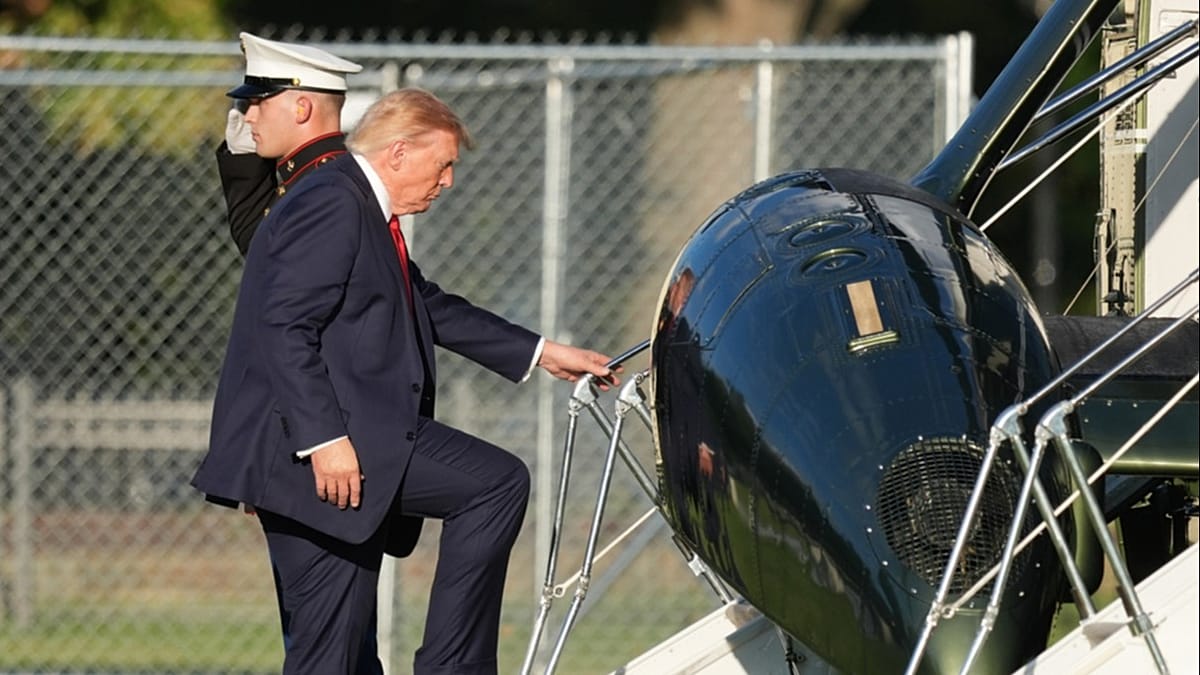
The United States has enacted a sweeping new sanctions package targeting Russia, with President Trump signing the legislation into law on 19 September 2026. The measures are designed to choke off revenues that Washington claims are fuelling Russia's war in Ukraine, marking one of the most aggressive economic actions since the conflict began in 2022. The move comes as the war shows little sign of abating and as Western capitals debate the best tools to pressure Moscow without further fracturing global markets or derailing peace talks.[Euronews]
Sanctions Target Russian Energy, Banking, and Technology
The new US law sharply expands restrictions on Russian energy exports, banking operations, and advanced technology imports. According to US officials, the aim is to limit Russia’s ability to finance its military operations and to send a clear signal to both Moscow and its international partners that support for the war will carry steep costs.[Euronews]
In practical terms, the package tightens controls on foreign companies doing business with sanctioned Russian entities, expands secondary sanctions, and threatens penalties for banks facilitating transactions linked to Russian state enterprises. Analysts say the legislation is likely to have ripple effects for European and Asian firms, especially in the energy and finance sectors.[Euronews]
Moscow: Sanctions Undermine Trump’s Peace Efforts
The Kremlin has responded with sharp criticism, warning that the new sanctions could derail any remaining prospects for peace. Russian officials argue that the measures are not only punitive but also counterproductive, claiming they will harden positions on both sides and complicate ongoing diplomatic overtures. According to Russian state media, Moscow sees the move as a direct threat to President Trump’s stated efforts to broker a settlement in Ukraine.[New York Times]
Russia’s Foreign Ministry has publicly stated that the sanctions “will not go unanswered,” but has not yet announced any concrete retaliatory measures as of 19 September. The government is reportedly considering a range of economic and diplomatic responses, including restrictions on US and allied companies operating in Russia.[New York Times]
European and Global Reactions: Unity and Friction
The US move puts renewed pressure on European governments to maintain a united front on Russia policy. However, divisions remain. Some EU member states have pushed for even tougher measures, while others worry about the economic blowback, particularly in energy markets already strained by war and sanctions. The law’s extraterritorial reach is likely to test EU resolve ahead of a key sanctions extension vote later this month, a process this desk currently rates as having a 50% probability of failure to reach consensus by 30 September.[Euronews]
For the UK and Australia, the new US sanctions could mean both opportunities and risks. British financial institutions and energy firms face compliance challenges, while Australian commodity exporters could see shifting market dynamics if Russian supply is further restricted. London and Canberra have both supported sanctions in principle but have also lobbied for carve-outs to protect their own interests.[Euronews]
Peace Prospects and the Ukraine Front
The sanctions announcement comes amid a hardening of positions on the Ukraine front. Russian forces continue to press attacks in eastern Ukraine, while Western governments step up military and economic aid to Kyiv.[Moscow Times] The Kremlin’s warning that sanctions will harm peace efforts is echoed by some European diplomats, who argue that the economic squeeze could make Moscow less willing to negotiate. Others counter that only sustained pressure will bring Russia to the table.[New York Times]
Meanwhile, the Russian parliamentary election, widely seen as consolidating President Putin’s grip, has drawn criticism for its wartime restrictions and lack of genuine competition. The political climate in Moscow remains tense, with some Russians reportedly leaving the country out of fear of post-election mobilisation.[Euronews]
Markets and Next Steps
Financial markets reacted cautiously to the news. Energy prices remain volatile, and investors are watching closely for Russian retaliatory measures or further escalation in Ukraine. The coming weeks will be crucial as the EU debates its own sanctions extensions and as both sides weigh the costs of further confrontation.[Euronews]
Sources
- Euronews: Trump signs into law sweeping Russia sanctions package aiming to choke off revenues funding the war in Ukraine
- New York Times: Russia Warns New U.S. Sanctions Law Would Harm Trump’s Peace Efforts
- Euronews: Russians leave before election ends, fearing mobilisation to follow
- Moscow Times: With United Russia’s Election Victory All But Certain, Some Russians Are Still Pushing Back
Written by Valitros Intelligence from the cited public reporting. Analysis is labelled as THE TAKE.