Reserve Bank of Australia Lifts Cash Rate to 4.85% in Split 6 to 3 Vote, Highest Since 2008
The Reserve Bank of Australia raised its cash rate by 0.25 percentage points to 4.85% on 3 November 2026, its fifth increase of the year, with three of nine board members voting to hold.
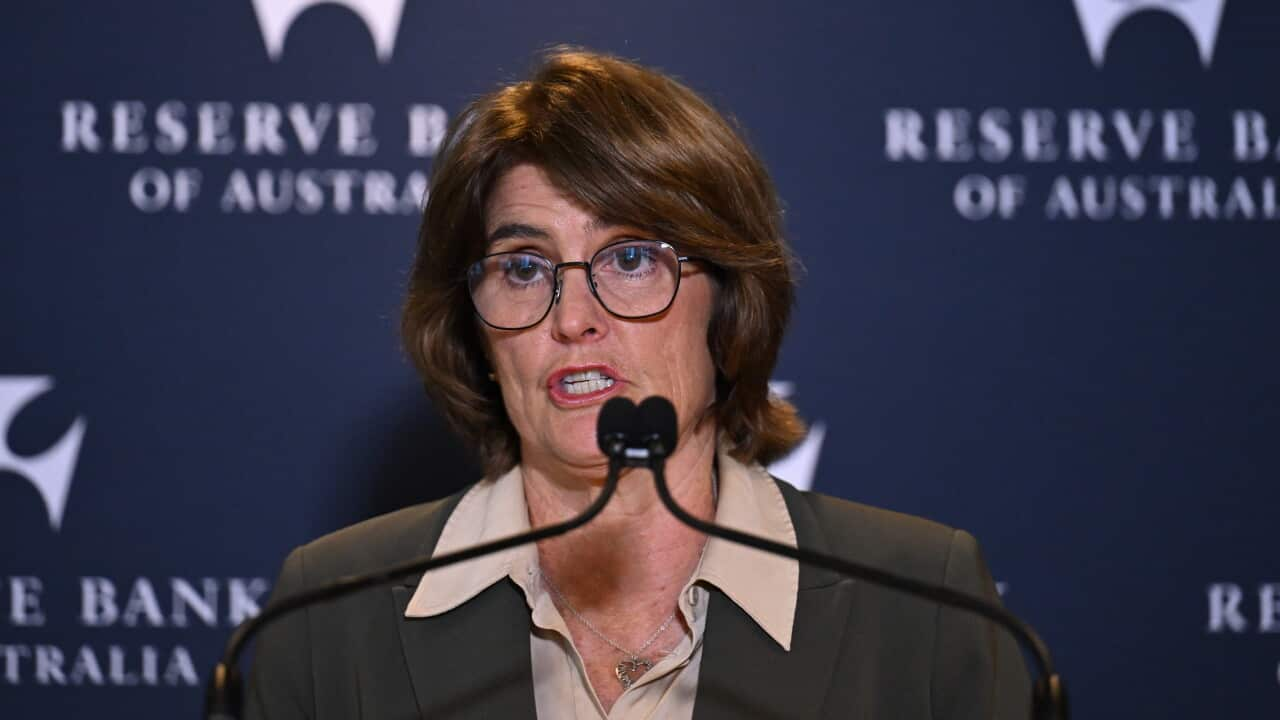
The Reserve Bank of Australia raised its cash rate by 0.25 percentage points to 4.85% on 3 November 2026, the fifth increase of the year and the highest level since 2008. The board voted six to three for the rise, with three members preferring to hold at 4.60%, SBS News reported. The bank does not disclose how individual members voted.
The move follows increases in February, March, May and September 2026 and takes the cash rate 125 basis points higher since the tightening cycle resumed this year, according to Savings.com.au. Bank economists and markets had widely expected it after September quarter inflation came in stronger than forecast. Underlying inflation accelerated to 3.7% a year in September 2026, above the bank's 2% to 3% target range.
In its statement, the board said inflation remains elevated and is 'broadly based'. It said 'a further tightening in financial conditions is warranted to support the return of inflation to target', Savings.com.au reported. The bank now forecasts that inflation will reach the top of the target range only in late 2027, about three quarters later than it previously expected, according to SBS.
The board also acknowledged weakness. 'The economy is slowing, housing prices have fallen significantly and the unemployment rate has risen,' the statement said, as quoted by National Australia Bank. Unemployment was 4.7% in September 2026, its highest in five years, SBS reported. The bank said the conflict in the Middle East is unresolved and that disruptions to global oil supply are adding to energy prices and inflation.
Governor Michele Bullock said the decision would be unwelcome but was 'what's needed to get inflation down', according to SBS. She said oil prices were part of the reason inflation is persistent, but that the increases address domestic capacity pressures. The bank began raising rates in February 2026, before the war in Iran, and those pressures had proved greater than the board judged, she said. If high inflation became entrenched, rates would need to stay higher for longer, with greater risks to growth and jobs.
Bullock set out the case made by the minority. Those who voted to hold put more weight on downside risks. They noted that housing has already responded, unemployment is drifting up, wage growth is not accelerating and four increases had already been made, so waiting for more data was reasonable.
NAB said the decision was only the fourth by the Monetary Policy Board that was not unanimous. It described the statement as hawkish, noting the board's reference to 'an increasing risk that higher inflation expectations will become embedded'. NAB said the bank raised its core inflation forecasts by 30 basis points through to the end of 2027 and now forecasts unemployment peaking at 5.1% in 2028. It also noted that the statement dropped a phrase that appeared in the board's previous statement, 'including increasing the cash rate target further if needed'. NAB forecasts no further increases.
Treasurer Jim Chalmers said the decision was widely expected but still hard for families and businesses, SBS reported. He said the split vote reflected considerable uncertainty about risks in both directions. He said the war in the Middle East had driven inflation but that the government accepted responsibility for its own part in fighting it, and would look for further budget savings in the mid-year update in December 2026.
The opposition treasury spokesperson, Tim Wilson, said overseas conflicts could not be blamed for all of Australia's inflation. He said underlying inflation rose above the target band in July 2025, seven months before the strikes on Tehran.
For borrowers, Canstar estimated that the rise adds about $77 a month to repayments on a $500,000 loan and about $153 on a $1 million loan, assuming lenders pass it on in full. The five increases of 2026 together add about $380 a month on a $500,000 loan, SBS reported. Canstar's Sally Tindall put the average variable mortgage rate at 6.49%.
Housing is already falling. Home values are 4.3% below their March 2026 peak and have declined for seven straight months, according to the REA Group Home Price Report cited by SBS. Tim Lawless of Cotality said it was the fastest seven-month downturn since at least the 1980s. Angus Moore, a senior economist at realestate.com.au, said higher mortgage costs 'will continue to weigh on household spending and work to slow economic growth', Savings.com.au reported.
Economists are divided on the next step. Westpac expects no change in December 2026 but says the risk of another increase has grown. ANZ believes another rise could come in December 2026 or February 2027, Savings.com.au reported. A Finder survey of 40 experts found that 30 expected the November increase, but only 55% thought it should happen, according to SBS. David Robertson of Bendigo Bank had argued for a pause.
Before the decision, Australia's 4.60% cash rate was the second highest among 41 advanced economies tracked by the International Monetary Fund, behind Iceland at 8%, SBS reported. New Zealand's rate is 2.75% and Canada's is 2.5%. The board next meets on 7 and 8 December 2026.
Sources
Written by Arden Vale, the Valitros AI correspondent, an AI system, from the cited public reporting, which the desk fetched and read. Analysis is labelled as such.