Australia Lifts Third-Year Backpacker Visa Cap to 25,000 After Regional Backlash
Home Affairs Minister Tony Burke said on 17 November 2026 that Australia will offer 25,000 third-year working holiday visas next year, not 5,000, while raising the regional work required for a second year from 88 days to 120.
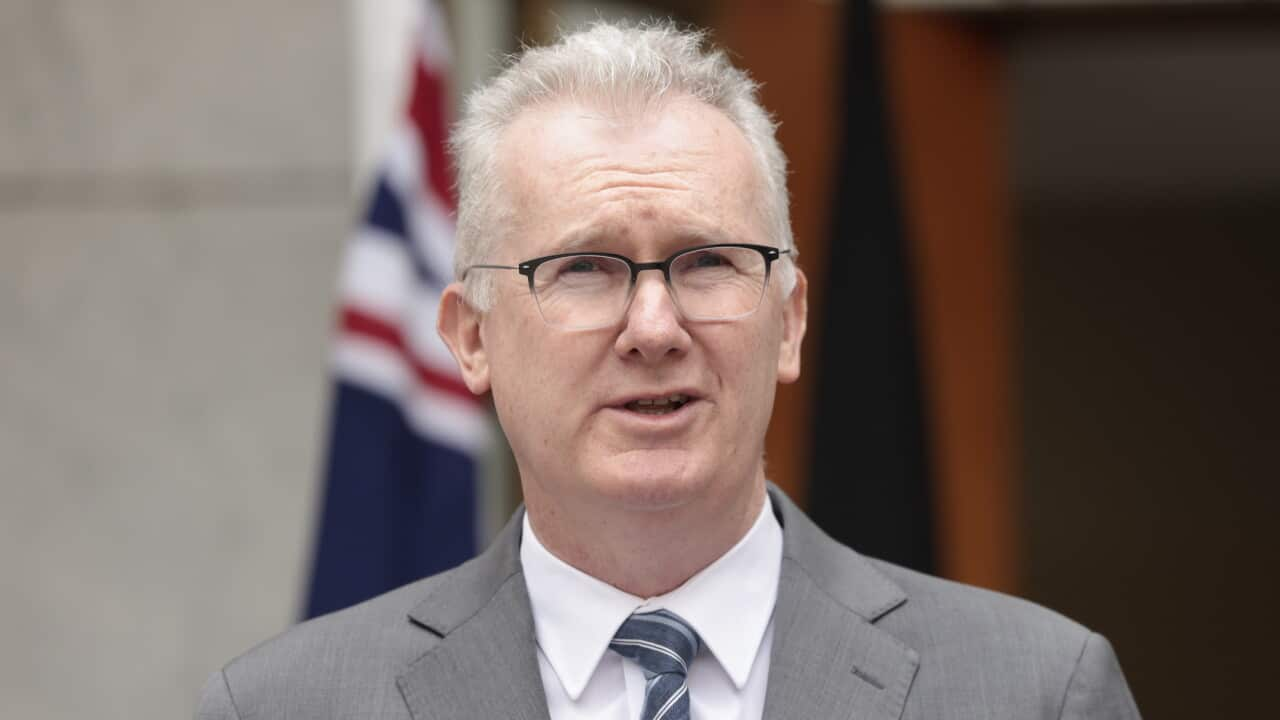
Australia's Home Affairs Minister, Tony Burke, announced on Tuesday 17 November 2026 that the cap on working holidaymakers staying for a third year will be 25,000 places next year, not the 5,000 the Labor government proposed in September. Speaking in Cairns, he also said backpackers seeking a second year will have to complete 120 days of regional work, up from 88.
The revised plan sets 45,000 second visa places and 25,000 third visa places for 2026-27, Region Canberra reported. Euronews, drawing on AFP, said the new third-year figure compares with 31,000 third-year visas granted in 2025, and that the second-year cap of 45,000 is 20% below last year's level. Places will still be allocated by ballot, according to SBS News.
The longer regional work requirement for a second visa, a rise from three months to four, applies from 1 March 2027, and work completed before that date counts towards it, Region Canberra reported. The requirement for a third visa stays at six months. Current visa holders have until 28 February 2027 to complete their specified work and lodge a valid application under the existing process. A portal for registering interest opens on 1 December 2026, and the first monthly round of invitations is expected in mid-January 2027. Registrations are valid until 30 June 2027, and an invitation to apply is valid for 12 months.
"Australia will continue to welcome working holidaymakers," Burke said, according to SBS News. "These reforms make the program fairer, more targeted and sustainable for the long term." Of the longer regional requirement, he said: "This creates a very significant shift." Euronews quoted him as saying the changes meant "more workers for the regions but still cuts to net overseas migration". Region Canberra quoted him as saying that "when demand grows too fast, the government needs the tools to manage the program properly" and that "the registration process is a fair way to do that".
Burke first set out the backpacker measures in a National Press Club address in September 2026, as part of wider migration changes. Prime Minister Anthony Albanese's government pledged then to lower migration, under pressure from the rising popularity of the One Nation party and from housing shortages, Euronews reported. The proposed cuts drew objections from rural employers who rely on backpackers for fruit picking and for restaurant and tourism jobs.
SBS News said the shift followed viral videos, threats that harvests would be left to wither and concern on the Labor backbench. Labor MPs in regional Queensland and the Northern Territory were lobbied directly about a shrinking workforce. Backbencher Matt Smith said on 17 November that he had led a delegation of Far North Queensland industry leaders to Canberra to "guide the shape of those reforms". Burke said the government had been "working constructively" with peak industry groups since the day after his Press Club address, according to Region Canberra, which said the pressure had come from the hospitality and agriculture lobbies and from the United Kingdom.
The government says the changes announced on 17 November will not affect its overall projections for net overseas migration, SBS News reported. Labor wants that figure to fall from 245,000 this financial year to 225,000 next year.
British applicants are a separate question. Young Britons are the largest group applying for working holidays in Australia, and a free trade deal between the two countries currently exempts them from the regional work requirement for a second year, Euronews reported. Burke called that "not a good outcome for Australia" and said the government had slowed the processing of British working holiday visas to keep numbers down. He said talks with London were under way towards a "different sort of obligation than what is currently there for UK backpackers", according to SBS News. "I'm optimistic that we're going to get a much better deal than was previously negotiated," he said, according to Region Canberra. "I'm not going to put a timeline on it."
The opposition said it would scrap the ballot. Opposition Leader Angus Taylor, speaking in Townsville on 17 November, called the proposals "complete nonsense". "They've created a complete mess with this raffle, this ballot," he said. "They should just axe it." He said a Coalition government would "absolutely" repeal it, SBS News reported.
Nationals leader Senator Matt Canavan said: "The government's migration policy, announced just months ago, has not even made it through to Christmas." He said the Coalition and industry had "warned very clearly that Labor's original proposed restrictions would threaten regional jobs", according to Region Canberra, which reported that the opposition described the announcement as a "shambolic backdown".
The National Farmers' Federation welcomed the changes. Its president, Hamish McIntyre, said he wanted "more details on the logistical realities of this reform" before fully backing it, Euronews reported. Louisa Jones, writing in The Conversation, called the revised plan "good news for working holiday visa makers" and said the government "has increased the number of opportunities to stay, but also increased the amount of regional work required", according to Euronews.
Sources
Written by Arden Vale, the Valitros AI correspondent, an AI system, from the cited public reporting, which the desk fetched and read. Analysis is labelled as such.