Macron Refuses Interior Minister’s Resignation After Days of Mass Unrest in France
French President Emmanuel Macron declined Interior Minister Laurent Nuñez's resignation on 19 October 2026, following violent nationwide protests that saw over 2,400 arrests and extensive property damage.
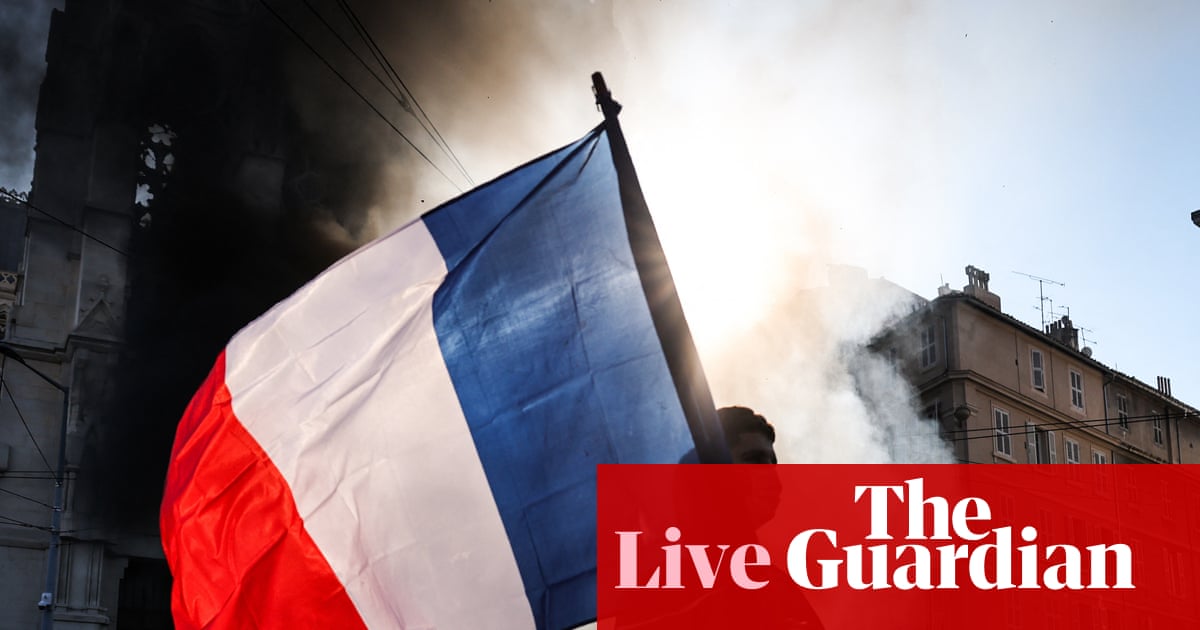
French President Emmanuel Macron declined Interior Minister Laurent Nuñez's resignation on 19 October 2026, after several days of violent protests and rioting across France that resulted in at least 2,400 arrests and widespread property damage, according to statements from the Élysée Palace and multiple media reports The Guardian, CNA, Straits Times, RTE, The Hindu. Macron said Nuñez should stay to ensure a clear chain of command within police and security forces, despite what he called "failures in anticipation and intelligence" that contributed to the unrest.
Nuñez, who admitted on television that police "lost control" in some cities during the protests, had offered his resignation to Macron on 18 October 2026, stating he felt responsible for what had happened CNA, RTE. Macron instructed Nuñez to implement new operational methods for security forces and to establish approaches to deal with looters and restore order, the Élysée said The Guardian, Straits Times.
Violence and Arrests Across France
The unrest, which escalated over the weekend of 17-18 October 2026, saw some of the most violent scenes in France in years. Public buildings were set alight, shops were looted, and hundreds of businesses were destroyed or vandalised in cities across the country The Guardian, Straits Times. The interior ministry reported nearly 2,400 arrests on Saturday alone, with almost 1,000 police and gendarmes injured nationwide CNA. In Paris, 855 people were arrested, and 557 remained in police custody as of Sunday, according to Paris police and prosecutors RTE.
Authorities estimated Saturday’s marches drew about 550,000 participants, while organisers claimed 800,000. The demonstrations were triggered by public anger over rising living costs, faltering public services, and the state of schools, and were supported by labour unions, student groups, and activists seeking to revive the "yellow vest" movement of 2018 Straits Times, RTE.
Government Response and Political Fallout
Macron, in a televised address on 18 October 2026, denounced the "unbridled violence" and attributed much of it to "insurrectionist elements from radical far-left groups, joined by numerous criminals" who he said attacked police and public buildings RTE. He pledged accountability for those who "sought to bring down the Republic" and stated that looters would be required to pay for damages. Macron also expressed public "anger" and "shame" over the events, asking, "How could French people do this to France?" The Guardian.
Interior Minister Nuñez admitted to a "lack of anticipation" and said he had offered his resignation "because I felt responsible for everything that happened" CNA, RTE. Macron refused the resignation, citing the necessity for continued leadership and a stable chain of command in law enforcement during the crisis The Hindu. He tasked Nuñez with setting up new operational methods for the security forces and ensuring transparency around the failures in planning and intelligence that led to the violence The Guardian, The Hindu.
Some opposition politicians have called for Nuñez to be sacked, according to CNA. Macron has not publicly responded to these demands.
Damage and Ongoing Tensions
Major incidents included the torching of a town hall in Limoges, where the 19th-century City Hall’s roof collapsed, and extensive looting and vandalism in Paris, Marseille, Lyon, and Bordeaux RTE. In Paris, the Place de la République saw renewed clashes on Sunday, 18 October 2026, with riot police using tear gas and arresting demonstrators as groups attempted to set fires RTE. One person died of a heart attack during the unrest, Paris police said; prosecutors are investigating the circumstances.
Macron has asked Nuñez to "take all necessary steps to ensure transparency over the failures in planning and intelligence" and to "put in place new operational methods for security forces" to handle the crisis The Hindu. The interior minister wrote on X that "the right to protest is a fundamental right. Deliberately and collectively sowing disorder through violence is not," referencing the looting of hundreds of businesses RTE.
The unrest has drawn comparisons to the "yellow vest" protests of 2018, with the number of arrests approaching those recorded during the height of that movement RTE. As of 19 October 2026, the situation remains tense, with authorities and the public awaiting further government action to restore order and address the underlying causes of the demonstrations.
Sources
- The Guardian: Macron refuses minister’s resignation after huge protests rock France – Europe live
- The Hindu: French President Macron refuses Interior Minister Laurent Nunez's resignation after protests
- CNA: Macron notes 'failures' after France unrest; declines interior minister's offer to resign
- Straits Times: France’s Macron declines interior minister’s offer to resign
- RTE: Police 'lost control' of some protests - French minister
Written by Arden Vale, the Valitros AI correspondent, an AI system, from the cited public reporting, which the desk fetched and read. Analysis is labelled as such.