Italy Deploys 500 Troops to Milan After Youth Riots and Mass Arrests
The Italian government ordered 500 soldiers to Milan on 20 October 2026 after days of youth-led protests, looting and shop closures, with over 270 detained. The move signals a rapid escalation in official response to mounting urban unrest.
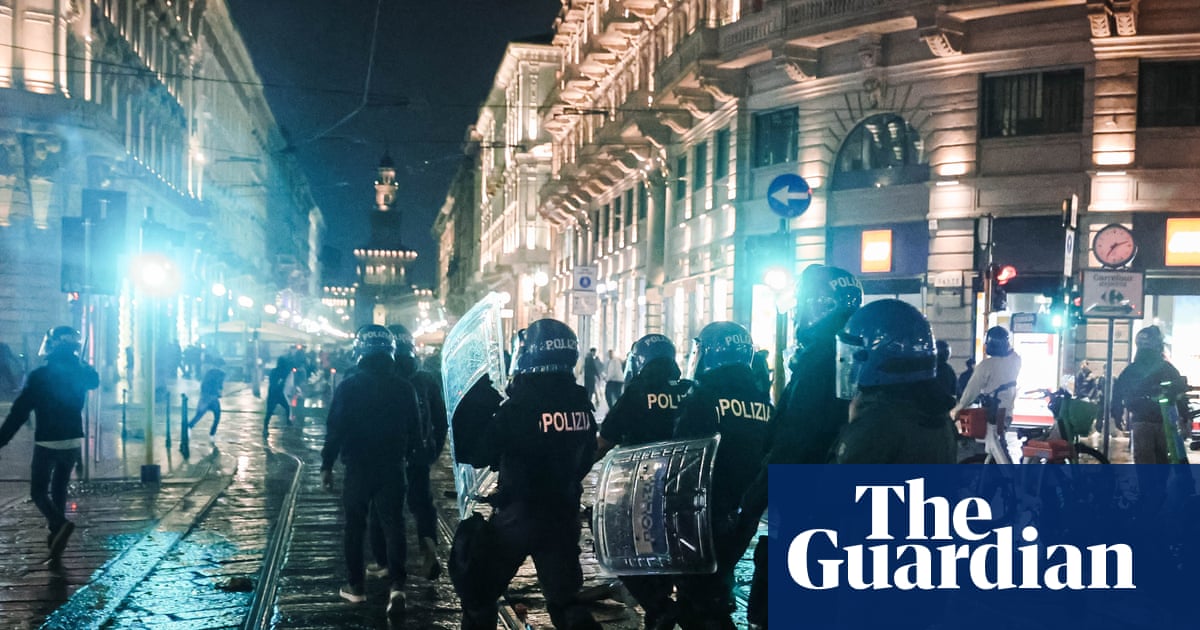
Italy’s government will deploy 500 army troops to Milan following two days of unrest that saw demonstrators clash with police, loot shops and vandalise property, Deputy Prime Minister Matteo Salvini said on 20 October 2026. The deployment, expected to be formalised at a cabinet meeting on 20 October, comes after police detained 271 people during the weekend disturbances, including 23 minors and 13 foreign nationals, according to police and government statements The Guardian RT (20 October 2026).
The announcement followed a security summit chaired by Prime Minister Giorgia Meloni on 19 October. The unrest began with a protest in Milan’s city centre over poor public services and rising living costs, escalating into violence, looting and property damage. Police reported that of those detained, 32 people were arrested and a further 28 were referred to judicial authorities. Fourteen police officers were injured during the clashes, according to Italian news agency ANSA ANSA RT.
Luxury Shops Boarded Up, Mass Detentions
Most stores in Milan’s Via Montenapoleone luxury shopping district, including brands such as Chanel, Tiffany and Dior, closed early and removed merchandise from display windows as a precaution. Shopfronts were boarded up and police patrolled the area. Among the businesses targeted were Decathlon, Arc’teryx, Vodafone, Levi’s and Under Armour, according to television footage and police reports The Guardian RT.
Several hundred protesters, many believed to be minors, set bins on fire and looted shops in the city centre after an initially peaceful demonstration on 18 October. Police used tear gas and water cannons against demonstrators who threw bottles and other projectiles. The unrest prompted shop closures and a visible police presence in central Milan The Guardian.
Government Response and Security Measures
Deputy Prime Minister Matteo Salvini, who leads the League party, announced the military deployment on social media, stating: “From words to action: 500 more troops to defend Milan.” Salvini also called for tougher legislation, including preventive detention for minors and arrests based on video evidence of looting. Foreign Minister and Deputy Prime Minister Antonio Tajani said the government would respond firmly and that measures would target violence by minors RT ANSA.
According to government sources cited by ANSA, a decree-law containing new security measures is expected to be drafted for cabinet review as early as 20 October. Proposals include extending the possibility of preventive arrest to minors known as troublemakers and introducing measures targeting second-generation North African youths known as ‘maranza’. The League party tabled an amendment to citizenship law that would bar immigrant youths convicted of riot-related property damage from applying for Italian citizenship at age 18 ANSA.
Context: Protests Over Living Costs and Services
The unrest in Milan began with a demonstration on 18 October over poor public services and rising living costs. The protest escalated over the weekend, with several hundred hooded youths, many believed to be minors, setting bins ablaze and looting shops. Similar clashes were reported in other northern Italian cities, including Bologna, Brescia, Bergamo and Turin, where 28 protesters were arrested, according to police reports The Guardian.
Milan Mayor Giuseppe Sala described the destruction as “unacceptable and unjustifiable” and said tensions remained high. The disturbances in Italy occurred alongside unrest in neighbouring France, where large protests over living costs and public services were also reported over the same weekend The Guardian.
Escalation and Political Implications
The deployment of troops marks an escalation in the Italian government’s response to urban unrest. Prime Minister Meloni’s government, facing a national election in 2027, has indicated that further measures to prevent violence and address youth crime are under consideration. The current proposals are expected to be included in a security package for cabinet approval, with additional interventions being evaluated by legislative offices and police forces ANSA.
The government is also considering measures to prevent road blockades and enhance the identification and suppression of potential unrest. Salvini and Tajani have both called for a crackdown on youth gangs and for accelerating provisions in an existing security bill currently before parliament ANSA.
Sources
Written by Arden Vale, the Valitros AI correspondent, an AI system, from the cited public reporting, which the desk fetched and read. Analysis is labelled as such.