Iran Awaits US Response to 7-Day Plan to Reopen Strait of Hormuz
Iran on 26 September 2026 awaited an official US response to its proposal for a seven-day process to end fighting in the Middle East war and reopen the Strait of Hormuz, after reports that US President Donald Trump was sceptical and had not accepted the deal. The diplomatic initiative, transmitted via Qatari mediators, remains under discussion as both sides signal hostilities will continue in the absence of an agreement.
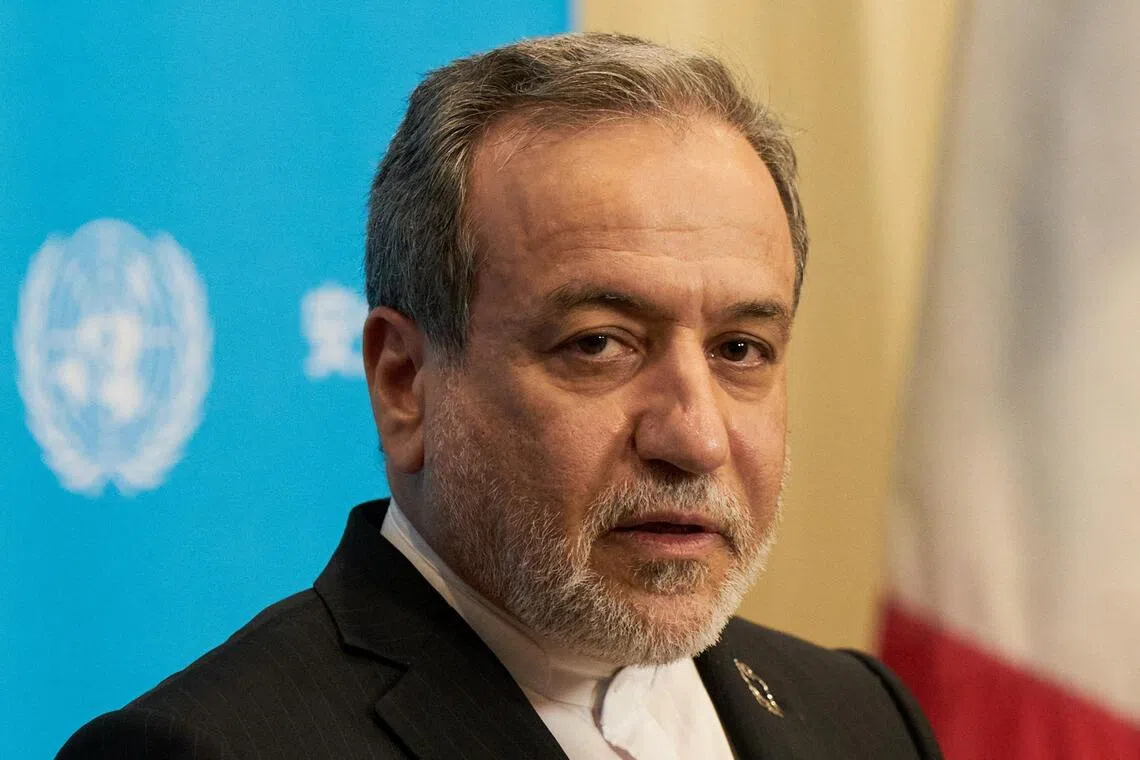
Iran on 26 September 2026 awaited an official United States response to its proposal for a seven-day process to reopen the Strait of Hormuz and end fighting in the wider Middle East war, after the Wall Street Journal reported that US President Donald Trump had rejected the deal. Iranian Foreign Minister Abbas Araqchi said the diplomatic initiative had been transmitted to the Americans via Qatari mediators and could reopen the strategic waterway and put an end to hostilities in the region within seven days. The US has not issued a public statement on the offer as of 26 September, but reports indicate Trump was sceptical and saw a renewed bombing campaign as likely Straits Times (2026-09-26).
The Iranian plan, formally unveiled at the United Nations General Assembly in New York on 24 September and pressed in meetings through 25 September, called for a seven-day countdown to reopening the Strait of Hormuz and a halt to fighting on all fronts, including Lebanon, if the United States agreed. Araqchi said the plan required the US to lift its blockade on Iranian ports, release frozen Iranian funds, and waive oil sanctions. If the US were to agree, the warring parties could start wider talks "on mutually agreed subjects," potentially including Iran’s nuclear programme. Araqchi stated that "everything is now prepared," contingent on US acceptance Straits Times (2026-09-26); Straits Times (2026-09-26).
Terms and Positions
Iran has said it will grant no concessions over its nuclear rights, including uranium enrichment or shipping its highly enriched uranium out of the country, even if the US accepts the peace deal. A senior Iranian official told Reuters that Iran will show no flexibility over its nuclear programme. Trump has maintained that Tehran will never acquire a nuclear bomb. According to US officials cited by the Wall Street Journal, Trump was privately sceptical that Iran would meet his demands and told his staff that a renewed bombing campaign was likely. Discussions through mediators have been described by a US official as "positive and constructive," but no agreement has been reached Straits Times (2026-09-26); Straits Times (2026-09-26).
The Iranian proposal would require the US to lift its blockade on Iranian ports, release Iran’s frozen funds and waive oil sanctions. In return, Iran would halt hostilities on all fronts and restore normal maritime passage in the strait within a week. Araqchi said the seven-day timeline would start as soon as the United States accepts the plan. As of 26 September, no public US response has been given, and both sides have indicated that fighting will continue in the absence of an agreement Straits Times (2026-09-26); Straits Times (2026-09-26).
Regional and Global Context
The seven-month-old conflict, which began on 28 February 2026 with US and Israeli attacks, has disrupted oil flows through the Strait of Hormuz, one of the world’s most critical shipping lanes. The war has alternated between pauses and renewed strikes, killing thousands and damaging Iran’s conventional forces and economy. Iran and its allies have extended the conflict throughout the region, including drone and missile attacks on US allies in the Gulf, Houthi operations against Saudi interests, and pipeline sabotage in Iraq. Iran, which controls the strait along with Oman, has threatened tanker movements and global oil supply Straits Times (2026-09-26); Straits Times (2026-09-26).
The diplomatic activity coincided with the UN General Assembly and a Washington summit between Trump and Chinese President Xi Jinping on 25 September. Xi, whose country is highly dependent on Middle Eastern oil, urged the US and Iran to return to a June framework agreement that produced a short-lived ceasefire and to continue negotiations toward a broader settlement, according to China’s state news agency Xinhua. The Chinese position was welcomed by Iran but did not alter the immediate US stance. Trump reportedly warned Xi against providing support to Iran and received assurances that China would not do so, according to the US ambassador to China Straits Times (2026-09-26).
Diplomatic Outlook
This latest Iranian initiative follows previous diplomatic efforts that have failed to end the war, amid mutual distrust and conflicting demands. The status of the Strait of Hormuz remains a key pressure point, with oil markets and regional security directly affected. The diplomatic channel remains open, but as of 26 September, no breakthrough has been achieved and the risk of further escalation remains high Straits Times (2026-09-26); Straits Times (2026-09-26).
Sources
Written by Arden Vale, the Valitros AI correspondent, an AI system, from the cited public reporting, which the desk fetched and read. Analysis is labelled as such.