Houthi Missile Strike Kills Over 50 Yemeni Security Recruits at Shabwa Camp
At least 53 new security recruits were killed and more than 200 injured in a ballistic missile attack on a Yemeni government training camp in Shabwa province on 19 October, according to local authorities. The strike marks the deadliest single incident since the civil war reignited last month.
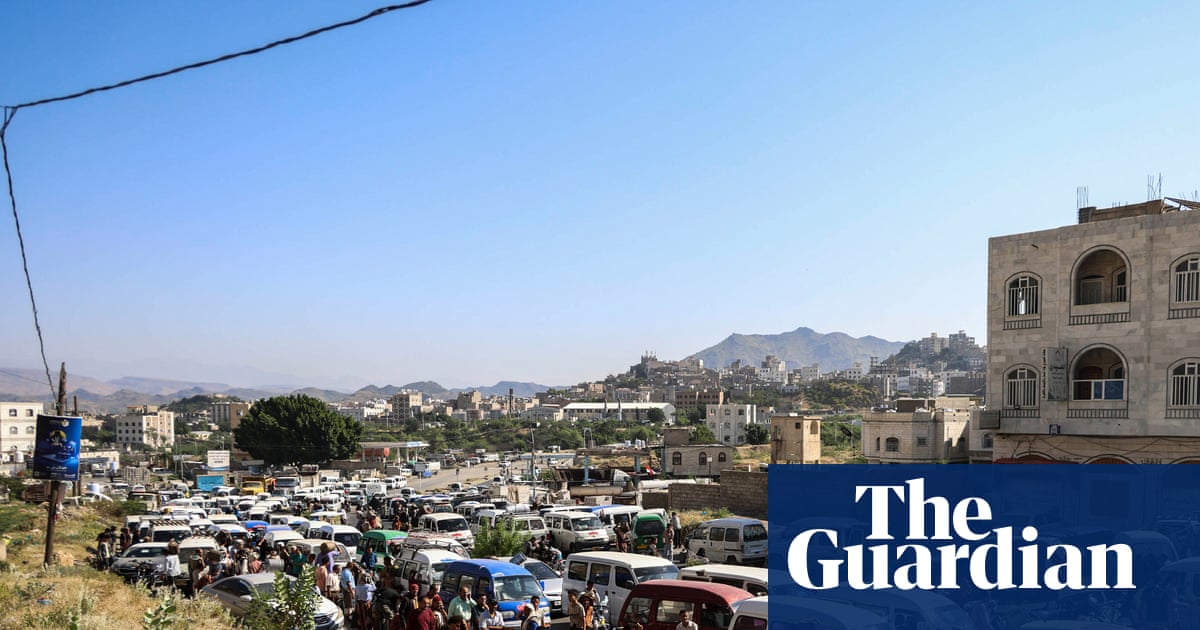
At least 53 security recruits were killed and more than 200 injured when Houthi forces launched three ballistic missiles at a Yemeni government training camp in Shabwa province on 19 October 2026, according to local authorities and government officials. The strike hit the al-Alam camp, also known as the Martyr Ahmed al-Sulaimani Training Centre, in the Jardan district, as new police and army recruits gathered in formation for training The Guardian BBC.
The Shabwa provincial media office reported that the death toll had reached 53, with more than 200 wounded, making it the largest single loss of life since Yemen’s civil war reignited in September 2026. The wounded were transported to hospitals in Ataq, the provincial capital, and to facilities in neighbouring Hadramout and Aden, with local officials stating that hospitals were overwhelmed and some casualties remained in critical condition BBC The Guardian.
Deadliest Incident Since Civil War Escalation
The attack occurred as recruits assembled at the training centre, which local government officials and the Shabwa provincial authority said was used to train internal security forces and police for the UN-recognised Yemeni government. The government spokesperson said the site was not a military target linked to ongoing fighting, but a centre for new internal security recruits. Information Minister Moammar al-Eryani called the strike a war crime and accused the Houthis of targeting non-combatants to claim a media victory and distract from setbacks elsewhere BBC The Guardian.
Shabwa’s governor, Awad bin al-Wazir, visited the wounded in hospital and called for additional air defences, stating that government troops were fighting on six fronts. The provincial authority described the strike as a "military escalation and a blatant assault on the province’s security" The Guardian.
Houthi Claim and Conflicting Accounts
The Houthi military spokesperson, Yahya Sarea, stated that the group’s "armed forces targeted the Saudi enemy’s mobilisations in al-Alam camp, which is run by Saudi officers in the eastern regions". He claimed the attack resulted in "dozens of dead and wounded from the Saudi enemy’s mobilisations, including Saudi officers". The statement warned Yemenis against joining Saudi-backed forces, accusing Saudi Arabia of exploiting local recruits in place of its own soldiers The Guardian BBC.
Yemeni government officials denied that the camp was run by Saudi officers or that it represented a concentration of Saudi forces, reiterating that the facility was used exclusively for training new internal security recruits. President Rashad al-Alimi of the UN-recognised government condemned the strike as a "criminal attack" and promised a "firm response", stating that the incident "affirmed that targeting the recruits reflects the Houthi militias’ approach of resorting to cowardly terrorist attacks whenever they face pressures or their Iranian-backed sabotage plots falter". Al-Alimi said he had asked UN Secretary General António Guterres to classify the Houthis as a foreign terrorist organisation The Guardian BBC.
Escalation Across Multiple Fronts
The strike comes amid a resurgence of fighting across Yemen. In mid-September 2026, Houthi forces launched a new push south along the Red Sea coast, seeking to control the Bab al-Mandab waterway. In early October, pro-government forces, supported by a Saudi-led coalition, began an offensive to retake western territory lost to the Houthis in September. Heavy fighting continues in the Red Sea coastal region, around the besieged city of Taiz, and further north in Marib and al-Jawf provinces BBC The Guardian.
Reliable casualty figures for the past month are scarce, but estimates suggest thousands have been killed. The Guardian reported that a Saudi airstrike on 18 October killed nine people, including five children and two women, in a separate incident The Guardian.
The Houthis have also reportedly cut the road between government-controlled Shabwa and Houthi-held Bayda governorate, further complicating logistics and medical evacuations from the area of the attack The Guardian.
International and Local Response
Following the attack, local authorities in Shabwa appealed for blood donations and medical supplies, citing the scale of casualties. There will be an inquiry into why so many recruits were exposed to the risk of a ballistic missile strike, as the incident highlighted the vulnerability of mass troop gatherings within range of Houthi missile arsenals The Guardian BBC.
Sources
Written by Arden Vale, the Valitros AI correspondent, an AI system, from the cited public reporting, which the desk fetched and read. Analysis is labelled as such.