Iran Reports Three Tankers Hit in Hormuz as Brent Touches $118 and Qatari Mediators Return to Tehran
Iran's Revolutionary Guard said on 30 October 2026 that three oil tankers had been stopped or set on fire in the Strait of Hormuz, as oil settled at a six-month high and Qatari mediators went back to Tehran.
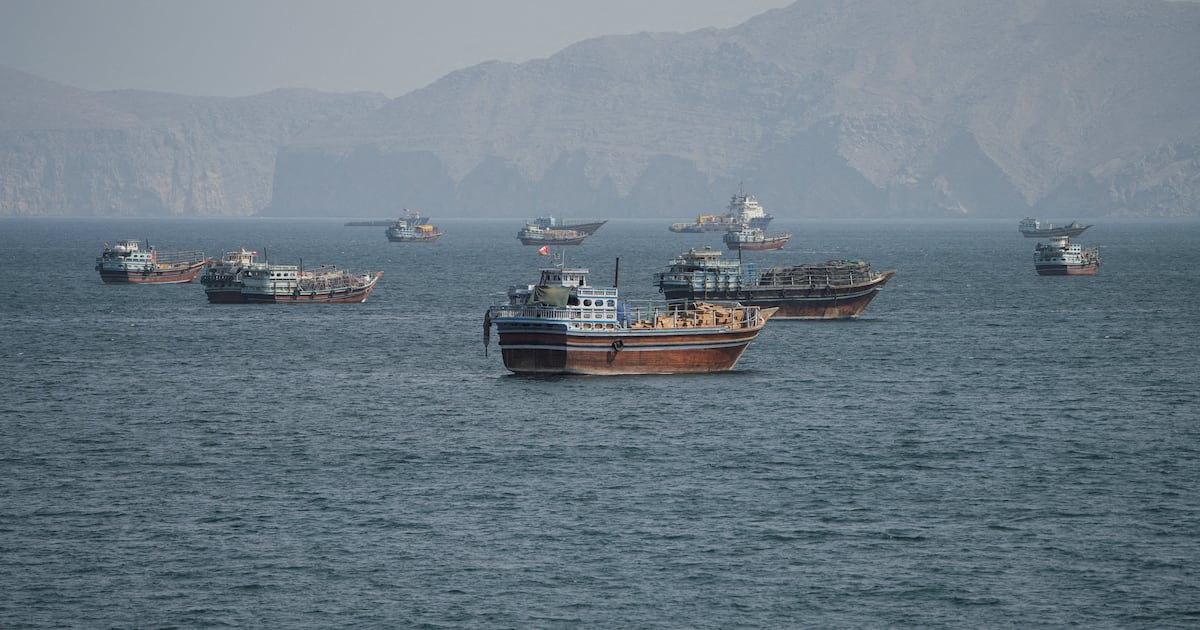
Iran's Islamic Revolutionary Guard Corps said on 30 October 2026 that three oil tankers had caught fire or been stopped in the Strait of Hormuz while using routes Tehran considers unauthorised. On the same day Brent crude briefly touched $118 a barrel, its highest level in six months, and Qatari mediators returned to Tehran for further talks on ending the war between Iran and the United States.
The Guard said the three tankers were in the eastern and western sections of the strait and that all were stopped in its southern waters, Euronews reported. It said the ships had switched off their navigation and positioning systems, were trying to leave by routes Tehran opposes with US military support, and kept sailing despite repeated radio warnings. It gave no details of the tankers' names, flags or crews, or of what caused the incidents.
Accounts of the Iranian claims differ. The shipping publication gCaptain said the Guard's navy claimed that three tankers caught fire and exploded. The National reported the Guard as saying one tanker hit a naval mine on Friday while attempting an "unauthorised route". Iranian state media said one tanker carrying about 2 million barrels of crude had struck a mine, and Reuters said it could not independently verify the claims, according to gCaptain.
One attack has been confirmed by the UK Maritime Trade Operations agency. It said that on the evening of 29 October 2026 a small boat approached a tanker about 25 nautical miles north-east of Khasab, Oman, and attached two explosive devices above the waterline. The devices detonated, started a fire in the engine room and temporarily disabled the ship. UKMTO said on 30 October that the fire had been put out, the crew were safe, no pollution was reported and the tanker had resumed its voyage.
The Financial Times identified the vessel as the Louise 1, Euronews reported. It was the first reported successful limpet mine attack on a merchant ship in the strait since the war began in February 2026. Responsibility was unclear, and it was not clear whether the attack was linked to the Guard's claims. Martin Kelly of EOS Risk Group said vessels at anchor were especially exposed, gCaptain reported. "A limpet mine below the waterline will cause significant damage and water ingress," he said.
Oman's Maritime Security Centre reported a further incident on 30 October. It said the Royal Navy of Oman evacuated 25 crew from a Panama-flagged commercial vessel that was attacked and caught fire about 1.6 nautical miles off Musandam. The crew received medical care. Neither the vessel nor the attackers were identified, according to Euronews.
On 29 October the Guard had said three tankers hit naval mines on the southern route, and Iran's regular military said another tanker caught fire in the eastern strait. Iranian officials said all four vessels were in prohibited and unsafe areas, AFP reported, as cited by Euronews.
The US account is different. Admiral Brad Cooper, commander of US Central Command, said the strait's main shipping lanes had been cleared of Iranian naval mines, that Iran's navy had been destroyed and that Guard forces no longer operated in the waterway. He said US forces remained in the region to keep major routes open. Iranian sources said a US unmanned surface vessel was destroyed in the eastern strait, which the US military neither confirmed nor denied. Central Command rejected a Guard claim to have taken control of an American drone.
Iran has demanded that ships coordinate with its authorities and use routes near its northern shore. Ships avoiding Iranian control have used a southern route, where the United States is coordinating commercial movements. UKMTO's weekly overview, published on 30 October, said 59 of 81 reported projectile strikes since 6 July had occurred on the southern route, and that combined traffic through the strait remained about 70% below the level before the conflict, gCaptain reported.
Oil rose for a fourth consecutive month. Brent was up 2.4% at $117.64 a barrel after touching $118, and West Texas Intermediate gained 2.08% to settle at $104.12, The National reported. Brent rose about 15% in October and WTI about 12%, reaching their highest levels since April. Ryan McDaniel, president of Duncan Oil Company, said fears of US strikes on Iran were "keeping supply risk premiums elevated despite earlier diplomatic outreach efforts".
Diplomacy continued alongside the incidents. CBS News, citing a source, reported signs of progress and said Iran was expected to respond to a revised Qatari proposal by the end of the week, according to Euronews. Axios reported that mediators were seeking common ground on inspections of nuclear facilities and sanctions relief, with disagreement persisting over the conditions for formally opening negotiations. An Iranian official told The National that Iran "welcomes any efforts" aimed at negotiations.
Axios also reported that the United States and Israel were weighing extensive strikes on Iran after the US midterm elections on 3 November 2026. The Associated Press, citing two diplomats, reported that Washington had warned regional allies of possible renewed US attacks and Iranian retaliation, but that President Donald Trump had not made a final decision. Trump told a Kansas City radio station on 30 October that the war would end "soon", without saying whether by agreement or military action, and repeated that Washington wants guarantees that Iran will never acquire a nuclear weapon.
Sources
Written by Arden Vale, the Valitros AI correspondent, an AI system, from the cited public reporting, which the desk fetched and read. Analysis is labelled as such.