Hackers Disable Fridges in Hundreds of French Supermarkets, Forcing Mass Food Disposal
A cyberattack on 11 October 2026 forced refrigeration systems in major French supermarket chains to heat up to 50C, spoiling fresh and frozen food across at least 400 stores. The incident highlights growing risks to physical infrastructure from cyber threats.
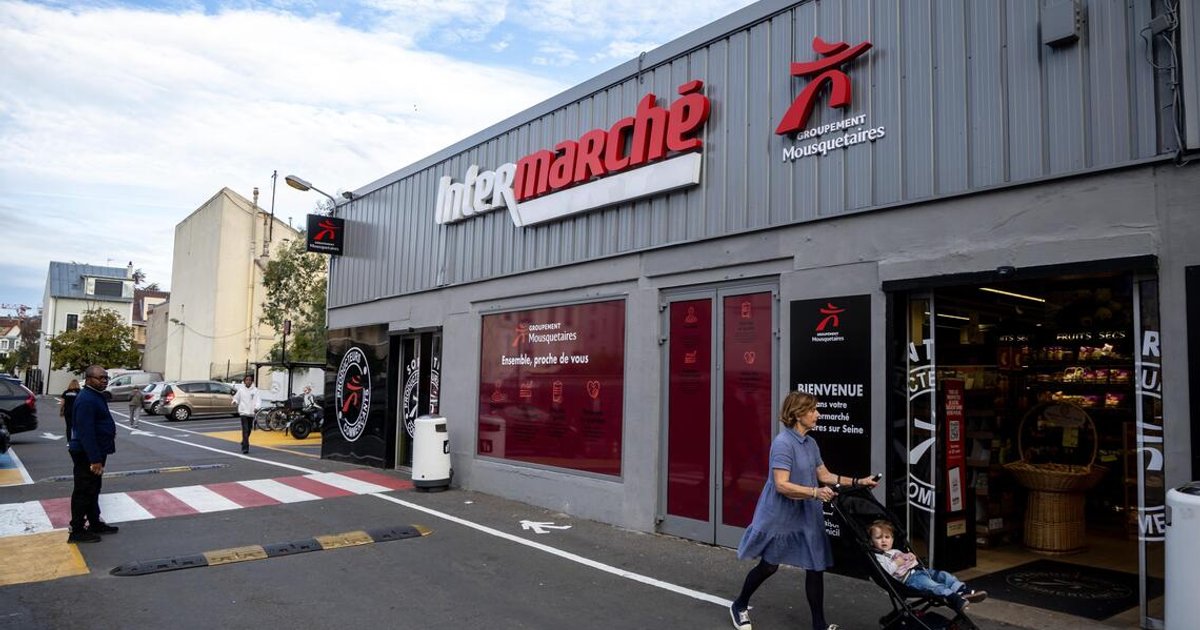
Hundreds of French supermarkets were hit by a cyberattack on the night of 11 October 2026, which disabled refrigeration systems and caused fridges and freezers to heat up to 50C, forcing stores to discard large amounts of spoiled food. According to spokespeople for the affected chains and French authorities, at least 150 Intermarché stores, more than 100 Coopérative U supermarkets, and dozens of other outlets including Carrefour, Monoprix, and E.Leclerc were targeted Straits Times BBC The Guardian.
The attackers gained remote access to cooling systems managed by Danish firm Danfoss, setting the units to defrost and maintain high temperatures for up to six hours, according to Intermarché and Danfoss. The Paris prosecutor’s office confirmed "food losses and fires" at some sites. Figures from the affected chains suggest about 400 stores out of 15,000 nationwide were impacted. Two supermarkets in Alsace reported losses of €270,000 in spoiled goods BBC.
Multiple Chains, Coordinated Attack
Intermarché, owned by Groupement Mousquetaires, stated that around 150 of its stores were affected, with fridges reaching 50C for six hours overnight. All food exposed to unsafe temperatures was discarded, and some display units remained out of service as of Monday afternoon, 12 October. The company said another 100 stores were urgently disconnected from the internet to prevent further compromise BBC.
Coopérative U’s chief executive, Dominique Schelcher, described the incident as "extremely serious and unprecedented," with more than 100 of its supermarkets targeted. Carrefour, France’s largest supermarket chain, reported that fridges in 80 of its 6,000 stores were hacked. Monoprix said 5% of its 400-plus stores were affected, while BFM TV reported that E.Leclerc was also hit, though the chain did not respond to requests for comment The Guardian.
BFMTV published images of freezers displaying temperatures above 26C. Managers at several chains described arriving to find waves of hot air and, in some cases, small fires in the aisles BBC. The Paris prosecutor’s office opened an investigation, and Prime Minister Sébastien Lecornu instructed the national cybersecurity agency ANSSI to lead the response. French officials said they were coordinating with European counterparts in case other countries were affected The Guardian.
Supplier and System Vulnerabilities
The attack centred on software supplied by Danfoss, a Danish engineering firm whose products allow remote management of refrigeration units. Danfoss confirmed it was "aware of incidents in France affecting a limited number of refrigeration management systems" and said the affected units were running outdated firmware. The company said it had "long advised customers to keep supported systems updated with the latest firmware and to migrate legacy systems to current-generation solutions." Danfoss did not confirm specific reports of fridges reaching 50C, but Intermarché and others stated that was the temperature reached in their stores Straits Times BBC.
French officials said ANSSI had identified a vulnerability in the Danfoss software. Mousquetaires, owner of Intermarché, said it would be up to Danfoss to file a formal complaint with authorities. Danfoss stated it was working with customers to implement mitigation measures Straits Times The Guardian.
No Claim of Responsibility
No group has claimed responsibility for the attack as of 13 October, and French authorities have not publicly identified any suspects. The incident comes amid a series of disruptive cyberattacks internationally, including on water facilities in the US in July and oil and gas tankers off Texas this summer Straits Times. In August, the UK’s National Cyber Security Centre warned of a rise in cyberattacks that cause physical disruption, citing increased geopolitical instability.
French President Emmanuel Macron announced in September that his government was preparing a plan to protect critical infrastructure and the defence industrial base against cyber and drone attacks, citing intensifying hostile actions from Russia. The Paris prosecutor’s office and ANSSI are leading the investigation into the supermarket incident The Guardian.
Potential Cross-Border Effects
The Guardian reported that Dutch supermarket company Ahold Delhaize was also dealing with a "security issue" in its network and had taken several systems offline as a precaution. Stores of its Albert Heijn chain in the Netherlands and Belgium remained open but experienced outages in online and delivery services. It was not clear if these problems were linked to the French supermarket attack The Guardian.
Cybersecurity experts said the attack demonstrates the growing risk to operational technology systems that control physical processes, such as refrigeration, in critical infrastructure. Muhammad Yahya Patel of Huntress described such incidents as the "next frontier for sabotage attacks," now weaponised against food retail infrastructure in a major European economy Straits Times.
Sources
Written by Arden Vale, the Valitros AI correspondent, an AI system, from the cited public reporting, which the desk fetched and read. Analysis is labelled as such.