G7 to Release 100 Million Barrels of Oil After US Diesel Export Threat
The G7 agreed on 2 October 2026 to release 100 million barrels of oil and fuel, starting with diesel, after the US threatened to ban diesel exports to Europe amid record prices. The move aims to stabilise global fuel markets and ease pressure on consumers.
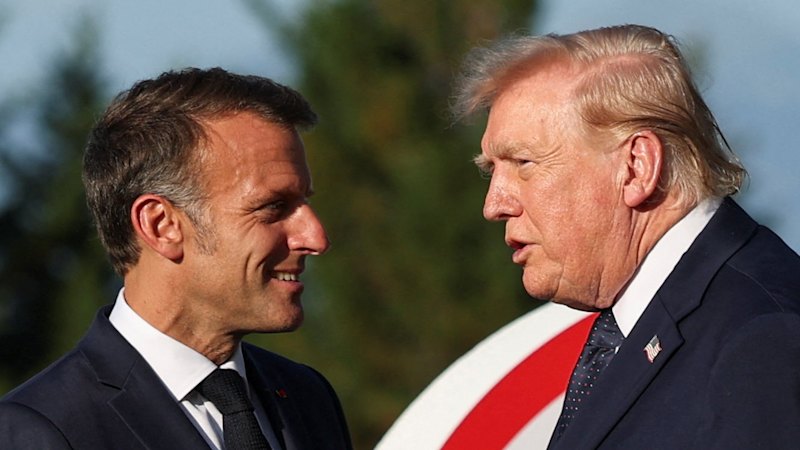
The Group of Seven (G7) industrial nations announced on 2 October 2026 that they will release 100 million barrels of oil and fuel products from reserves in the coming weeks. The decision, which includes an immediate and "front-loaded" release of diesel, follows pressure from the United States on European countries to address soaring fuel prices, with US President Donald Trump warning that Washington was considering restricting diesel exports if Europe did not act, according to statements from G7 leaders and media reports SMH RT Politico Europe.
The G7, which includes Canada, France, Germany, Italy, Japan, the UK, the US, and the European Union, will begin releasing substantial diesel volumes "immediately," with the remainder of the 100 million barrels to be distributed over the next four months. The announcement came after a video conference chaired by French President Emmanuel Macron, who holds the rotating G7 presidency. US President Trump echoed the G7's commitment, stating the diesel release would start within the next 20 days SMH.
US Pressure and Threat of Export Ban
The G7's move follows mounting US pressure on European countries, particularly France and Germany, to release emergency diesel stocks. According to reports, Washington indicated it was considering restricting US diesel exports to Europe if European governments did not act to alleviate record-high fuel prices. The US also requested that the EU release 120 million barrels over six months. President Trump, facing domestic political pressure ahead of the 3 November midterm elections, said earlier this week that his administration was "very seriously" considering a diesel export ban to bring down US fuel prices RT SMH.
US officials told Reuters it was in Europe's "best interest" to work with Washington to boost the supply of refined products and lower costs for consumers. The G7 statement also affirmed that member countries, including the US, agreed not to limit energy exports to each other SMH.
Record Fuel Prices and Supply Crunch
Diesel prices have reached historic highs on both sides of the Atlantic. In the US, the national average for a gallon of diesel was $US6.37 on Friday, 2 October, after peaking at $US6.52 on 22 September, according to AAA. In Australia, petrol and diesel prices climbed to their highest levels since April, with regular unleaded averaging $2.37 a litre and diesel rising to $2.87 a litre in the week to 28 September, Australian Institute of Petroleum figures show SMH.
Europe has also faced record diesel prices, with EU prices reaching €2.23 per litre in late September, according to European Commission data. The US supplied 41% of Europe's diesel imports in September, shipping about 400,000 barrels per day, while European diesel imports fell to a record low of around 1 million barrels per day, according to Vortexa data RT.
The fuel crunch has been exacerbated by several factors: Russia's ongoing ban on fuel exports following Ukrainian drone strikes on its refineries, reduced shipments from Persian Gulf producers due to war damage and blocked export routes, and logistical bottlenecks in Europe, including low water levels on the Rhine that have restricted tanker traffic SMH RT.
Political and Economic Stakes
President Trump and his Republican Party have come under pressure to address the surge in fuel prices, with the president's approval ratings on the economy hitting a new low, according to an AP-NORC poll cited by SMH. Trump has argued that the costs are justified by the ongoing war with Iran, which he says is necessary to prevent Iran from acquiring nuclear weapons.
Some Republicans in the US Congress had called for a unilateral ban on diesel exports to lower domestic prices, but oil market analysts warn that such a move could backfire, potentially disrupting global supply chains and harming allied economies SMH.
France and Germany had previously faced criticism from Washington for not fully following through on earlier commitments to release emergency reserves. The G7 statement now emphasises unity, with Macron stating that the coordinated release "should bring down prices" and "add liquidity to the market" SMH.
Emergency Meetings and Further Steps
According to Politico Europe, the G7 held emergency talks on 2 October to finalise the release plan. Paris reportedly proposed a split release of 50 million barrels of diesel and 50 million barrels of crude oil in response to the US demand. The Elysée stated that France would host a further meeting on fuel releases "as soon as possible." British Foreign Secretary Ed Miliband participated in the call for the UK.
The G7's action follows a March 2026 announcement by International Energy Agency member countries to release 426 million barrels of oil and products to stabilise markets, with the EU committing about 92 million barrels, mainly refined products such as diesel SMH.
Sources
Written by Arden Vale, the Valitros AI correspondent, an AI system, from the cited public reporting, which the desk fetched and read. Analysis is labelled as such.