France to Deploy Troops and Air Defences to Saudi Arabia After Houthi Red Sea Attacks
French President Emmanuel Macron announced on 25 September 2026 that France will send soldiers, radar and defence systems to protect Saudi Arabia's Yanbu oil terminal, following a series of Houthi missile attacks targeting key Red Sea infrastructure.
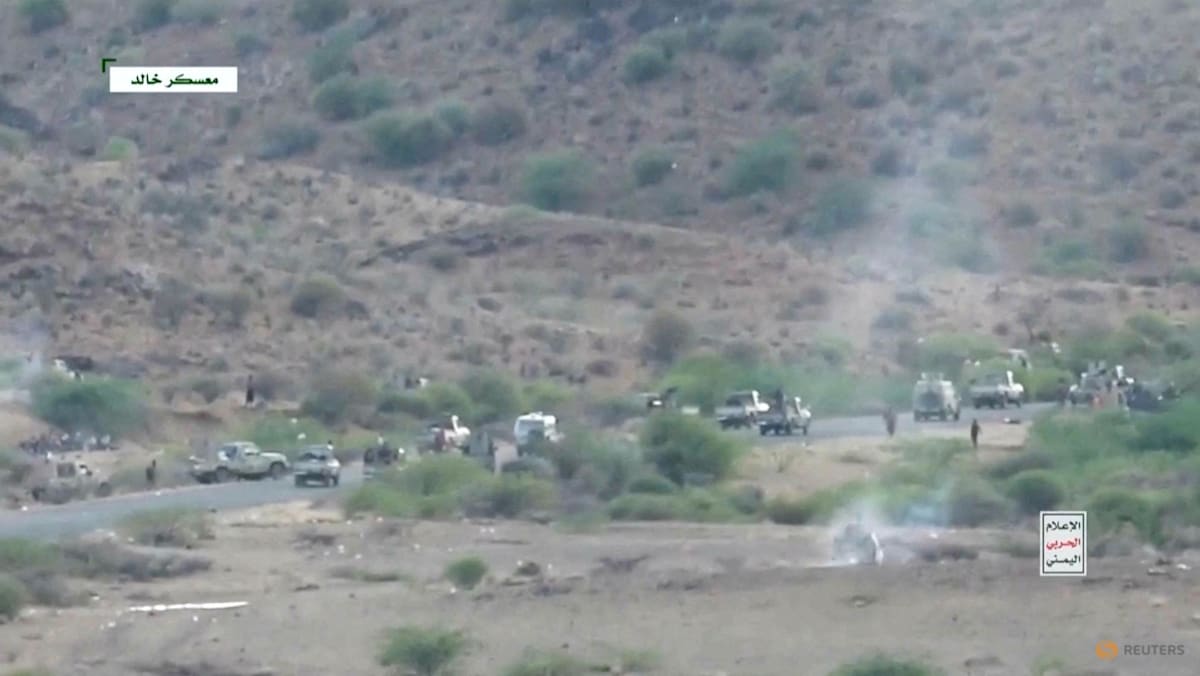
French President Emmanuel Macron said on 25 September 2026 that France will deploy military forces, including soldiers, radar and air-defence systems, to Saudi Arabia to guard the Yanbu oil terminal on the Red Sea after Saudi authorities reported intercepting six Houthi ballistic missiles targeting Taif and Yanbu on 24 September. The coalition said the interceptions came after alerts were issued for several regions, including Mecca, Yanbu, Taif, Jeddah and Tabuk, which were lifted shortly after CNA Straits Times RT.
Macron told French broadcasters TF1 and France 2 that France's deployment would "protect the site of Yanbu" and that French forces would not join combat operations but would focus on defending the strategic oil hub. The French move follows Saudi requests for additional military support after a surge in Houthi strikes since July, which have targeted Saudi tankers, territory, and oil infrastructure, and come amid what Saudi officials describe as a Houthi-imposed naval blockade on Red Sea shipping routes vital for the kingdom's exports CNA Straits Times RT.
Ballistic Missile Interceptions and Regional Alerts
On 24 September, Saudi Arabia's Civil Defence issued warnings for multiple regions, including Mecca, Yanbu, Taif, Jeddah and Tabuk, after detecting incoming threats. The alerts were lifted within minutes. The Saudi-led coalition subsequently reported intercepting six ballistic missiles, claiming to have thwarted attacks on both Taif, which hosts a major air base, and Yanbu, the kingdom's primary crude export terminal on the Red Sea. Coalition spokesman Turki al-Maliki stated that "escalations and violations by the terrorist Houthi militia will be dealt with firmly" CNA Straits Times.
Fighting between Houthi forces and the Riyadh-backed Yemeni government has intensified since July 2026, ending a years-long truce. The Houthis, who control large parts of Yemen and have seized swathes of the Red Sea coast including Mokha and strategic islands near the Bab al-Mandeb Strait, have stepped up attacks on Saudi oil infrastructure and shipping. Saudi authorities say these actions are part of a broader campaign that has imposed a de facto blockade on Saudi Red Sea exports CNA Straits Times.
French Deployment: Scope and Limits
Macron specified that France's deployment would include "soldiers, radar systems and defence systems" to Yanbu, but emphasised that French forces would not participate in offensive operations. According to Macron, the agreement with Riyadh is limited to defence of the Yanbu facility, which is a key node in Saudi Arabia's oil export network, connected to the kingdom's eastern oil fields by the East-West pipeline. The Yanbu hub also contains major oil storage and refining facilities RT CNA.
France is the latest Western power to respond to Saudi requests for increased security support. The UK has already deployed an RAF Voyager tanker for air-to-air refuelling and additional air-defence personnel, while Pakistan, which has a mutual defence agreement with Saudi Arabia, has pledged to defend the kingdom "to any extent" but has not confirmed new deployments. The United States has so far declined Saudi requests for direct intervention, according to RT RT.
Houthis’ and Iran’s Positions
The Houthis have stated their campaign aims to expel Saudi-backed forces from Yemen, end Riyadh's blockade, and restore Yemeni sovereignty. The group has warned foreign powers against joining the Saudi campaign. Iran’s President Masoud Pezeshkian denied on 24 September that Tehran directs Houthi operations, telling Fox News, "The Houthis are responsible for their own actions. They don't take directions from us as those who are resisting in the region, based on the situations that have been imposed on them," according to the broadcaster's translation CNA Straits Times.
Saudi Arabia last week accused the Houthis of targeting Mecca for the first time since 2017 with a drone, an accusation the Houthis denied. In the days that followed, the group launched further attacks on Saudi cities and infrastructure CNA.
Strategic Stakes and Energy Flows
The Red Sea corridor through Yanbu has become increasingly critical for Saudi oil exports as the US-Iran war has severely restricted tanker traffic through the Strait of Hormuz. The Houthis' territorial gains along the Yemeni coast and their attacks on shipping threaten to cut off this alternative route, putting further pressure on global energy flows. CNA and Straits Times report that these developments strengthen the influence of Iran and its allies over the main waterways used by Gulf oil exporters CNA Straits Times.
Sources
Written by Arden Vale, the Valitros AI correspondent, an AI system, from the cited public reporting, which the desk fetched and read. Analysis is labelled as such.