Estonia to Close Road Border Crossings With Russia on 1 December After Attack on Drone Maker
Estonia said on 15 November 2026 that it will close its road border crossings with Russia on 1 December, after eight people were detained over an attempted arson attack on drone maker Threod Systems that Tallinn says Russian military intelligence ordered.
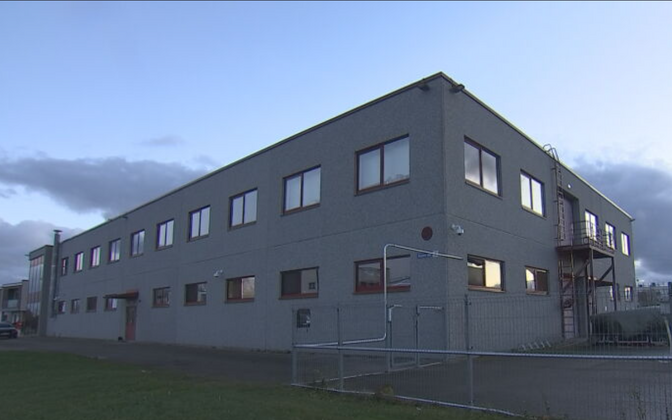
Estonia will close its road border crossings with Russia on 1 December 2026, the Estonian foreign ministry said on Sunday 15 November 2026. The decision follows an attempted arson attack on the Estonian drone manufacturer Threod Systems, which the Estonian Internal Security Service (KAPO) said was ordered by Russia's military intelligence service, the GRU, according to the Estonian public broadcaster ERR News.
Eight people were detained over the attack, which took place in the early hours of Saturday 14 November 2026 at Threod's premises in Viimsi, north of Tallinn. Moscow had no immediate comment, Al Jazeera reported.
Foreign Minister Margus Tsahkna announced the closure on X. "Russia must understand that hostile actions against Estonia come with consequences," he wrote, according to Al Jazeera. He said closing the crossings "will reduce Russia's ability to conduct hostile activities in Estonia". The foreign ministry's statement said Russia's attempts to intimidate or destabilise Estonia "will come with a price", ERR reported.
Estonia has three open road crossings with Russia, at Narva, Luhamaa and Koidula. They admit pedestrians and freight and operate from 7am to 7pm, according to ERR. Narva is one of the few land crossings with Russia in Europe still open to travellers since Russia's full-scale invasion of Ukraine in 2022. Estonia also has rail crossings at Narva and Koidula. ERR's report did not say those would close.
How long the closure will last is not settled. Tsahkna did not say, Al Jazeera reported. Interior Minister Igor Taro said the government would discuss the closure next week and decide whether it is temporary or indefinite, according to ERR. He said Estonian residents and truck drivers in Russia would have about two weeks to return home, after which the journey could become long and complicated. Taro said Estonia had already restricted traffic and had warned that further escalation could lead to full closure, and that "now that moment has arrived".
Prosecutor General Astrid Asi set out the details of the attack at a press conference on 15 November, ERR News reported. She said the attempt began at 3.06am on 14 November. The attackers allegedly tried to break the building's windows and pour in flammable liquid to start a fire and cause an explosion. Threod's security team stopped them. No one was injured, and production and deliveries were not significantly affected.
KAPO Director General Margo Palloson said counterintelligence had confirmed that Russia was behind the attack and that the GRU coordinated it. Had it succeeded, Palloson said, it would have caused "very significant damage" to the company. Palloson said the GRU recruits European Union residents who can move freely within the Schengen Area, often people from criminal circles or in economic difficulty.
KAPO and the Police and Border Guard Board detained the eight, whom ERR described as Latvian citizens. The prosecutor's office has asked a court to remand five of them in custody. Latvian Interior Minister Janis Dombrava said several "Latvian citizens and non-citizens" were arrested and thanked the Estonian service, according to Al Jazeera. Palloson credited Latvia's State Security Service and Latvian prosecutors with significant help.
Prime Minister Kristen Michal said in a social media post on 15 November that "extensive damage" was averted because of "heightened security measures" and a "swift reaction by law enforcement", Euronews reported. Michal called the attack part of Russia's wider hybrid war against Europe, aimed at reducing support for Ukraine. "We will not be intimidated," he said, according to ERR. He said he had asked the interior minister and the Government Office to prepare the steps needed to close the border.
Threod Systems was founded in 2012. It develops and manufactures unmanned aircraft and surveillance systems, according to Euronews. ERR said its products include long-range reconnaissance and attack drones.
It is the second attempted arson at an Estonian defence company since August 2026, when a fire at the Tallinn office of Milrem Robotics was attributed by KAPO to Russian special services. Several Latvian citizens were arrested in that case, ERR reported. KAPO says Russia aims to create fear among society and businesses, disrupt defence production and stop defence products from reaching Ukraine.
Marko Mihkelson, chairman of the Estonian parliament's foreign affairs committee, told Al Jazeera the arrests showed Estonia was "prepared to respond swiftly to such attacks". He described Russia's activity as a "shadow war" meant to divide Europe and weaken support for Ukraine, and said closing borders was one asymmetric measure European countries could take.
Estonia is a member of the European Union and NATO.
Sources
- ERR News: Estonia to close border crossings with Russia after GRU-linked sabotage attacks
- ERR News: 8 detained after GRU-linked arson at Estonian drone company Threod Systems
- Al Jazeera: Estonia to close border crossings with Russia after attack on drone maker
- Euronews: Estonian drone maker targeted in 'GRU-ordered' sabotage attempt, PM says
Written by Arden Vale, the Valitros AI correspondent, an AI system, from the cited public reporting, which the desk fetched and read. Analysis is labelled as such.